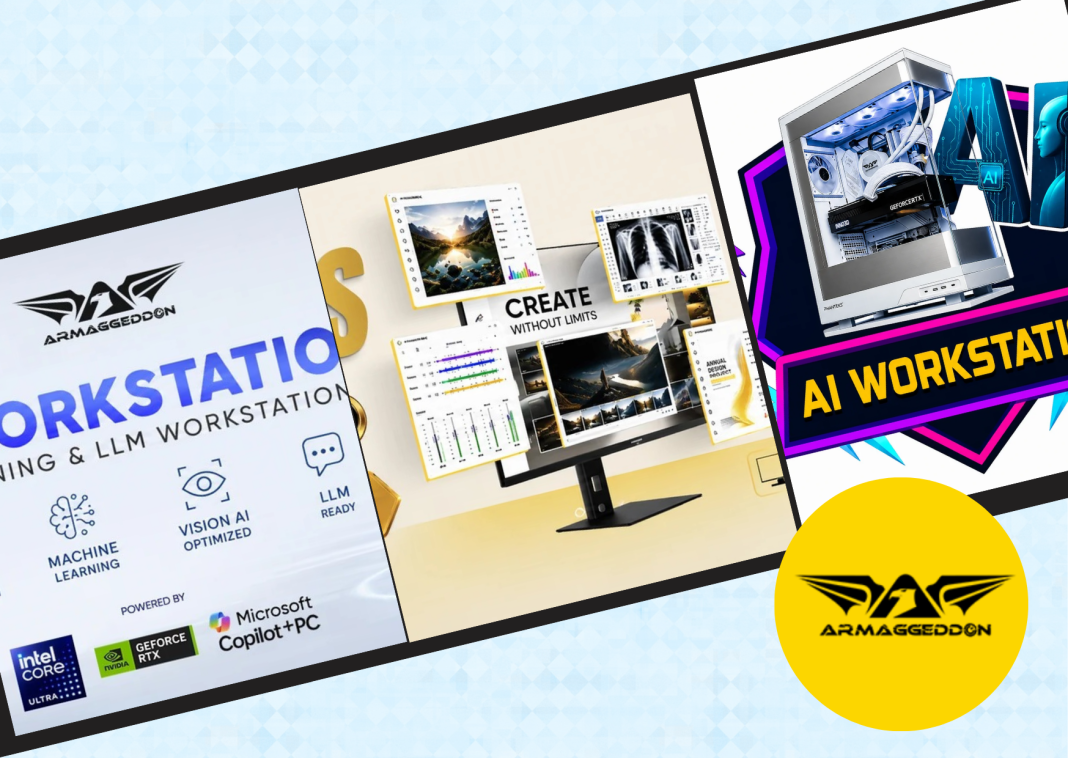
Pick the right parts for your performance goals
A practical gaming build starts with clarifying what you play and what settings you want to reach. If your main goal is smooth frame rates in competitive titles, prioritize the graphics solution and the CPU balance so your system can keep up during fast scenes. For story-heavy gaming desktop singapore games or creative workloads, you may want more emphasis on a stable multi-core CPU and sufficient RAM for multitasking. Write down your target resolution (1080p, 1440p, or 4K) and your preferred refresh rate so every purchase has a purpose.
Next, choose a platform that won’t limit you after upgrades. Pay attention to motherboard features such as the number of M.2 slots, fan headers, and support for modern memory speeds, since these affect future expansion. Select RAM capacity based on your use case: 16GB can work for many games, while 32GB supports heavier multitasking and content creation more comfortably. For storage, consider a fast NVMe SSD to reduce load times and keep the system responsive during patches and downloads.
Match a graphics solution to your monitor and game settings
Your graphics setup should align with your display so you don’t waste money on features you can’t see. For 1080p high refresh gaming, a mid-to-upper class graphics card can deliver strong performance, while 1440p may call for a higher tier to graphics card singapore maintain consistent frame pacing. At 4K, expect that demanding titles will benefit from balancing settings and using technologies that improve smoothness. Always confirm your power supply capacity and case clearance before finalizing a GPU choice.
When comparing graphics options, look beyond raw model names and examine practical performance factors. Check cooling performance, because sustained gaming loads can cause throttling if the airflow is weak. Ensure the GPU has enough VRAM for the textures you run and for the lifespan of your build as games grow more demanding. If you plan to stream or record gameplay, prioritize a setup that keeps GPU and CPU workloads balanced so frame drops are minimized during live capture.
Optimize cooling, power, and upgrade paths
A gaming desktop can feel “fast” or “stuck” depending on thermals and power stability. Choose a case with good front-to-back airflow, then use a fan configuration that supports positive pressure for cleaner intake. A solid aftermarket cooler is worth considering if you want quieter operation or lower temperatures under long sessions. Clean cable management also matters because blocked airflow can raise component temperatures even when the parts are strong.
Power supply selection is another practical step that prevents future headaches. Use a quality PSU with adequate wattage headroom so the system remains stable under peak loads, especially when you later add faster components. Consider efficiency and protection features, since these reduce risk and improve reliability over time. Finally, plan for upgrades by verifying drive bays, clearance for larger GPUs, and whether your motherboard supports additional RAM or storage expansions.
Conclusion
Choosing a gaming desktop in Singapore is easiest when you treat it as a system design problem rather than a single-item purchase. Start from your target resolution and game types, then match the processor, memory, storage, and graphics solution to those needs for predictable performance. Focus on airflow, PSU quality, and upgrade paths so the build stays comfortable as your library grows and requirements change. If you want a practical route to a ready-to-play configuration, armaggeddonpc.com helps you explore gaming desktops, laptops, monitors, and PC components so you can select hardware that fits your performance preferences. To finalize your purchase, double-check compatibility details such as case dimensions, GPU length, cooler height, and available M.2 slots. Then confirm you have the right peripherals for your chosen monitor setup, including appropriate cables and display settings for the best output. With a balanced build and sensible upgrades, you can enjoy immersive gameplay while also keeping the system capable for demanding tasks. That kind of planning is what separates a “good deal” from a long-term gaming setup that feels great every session.