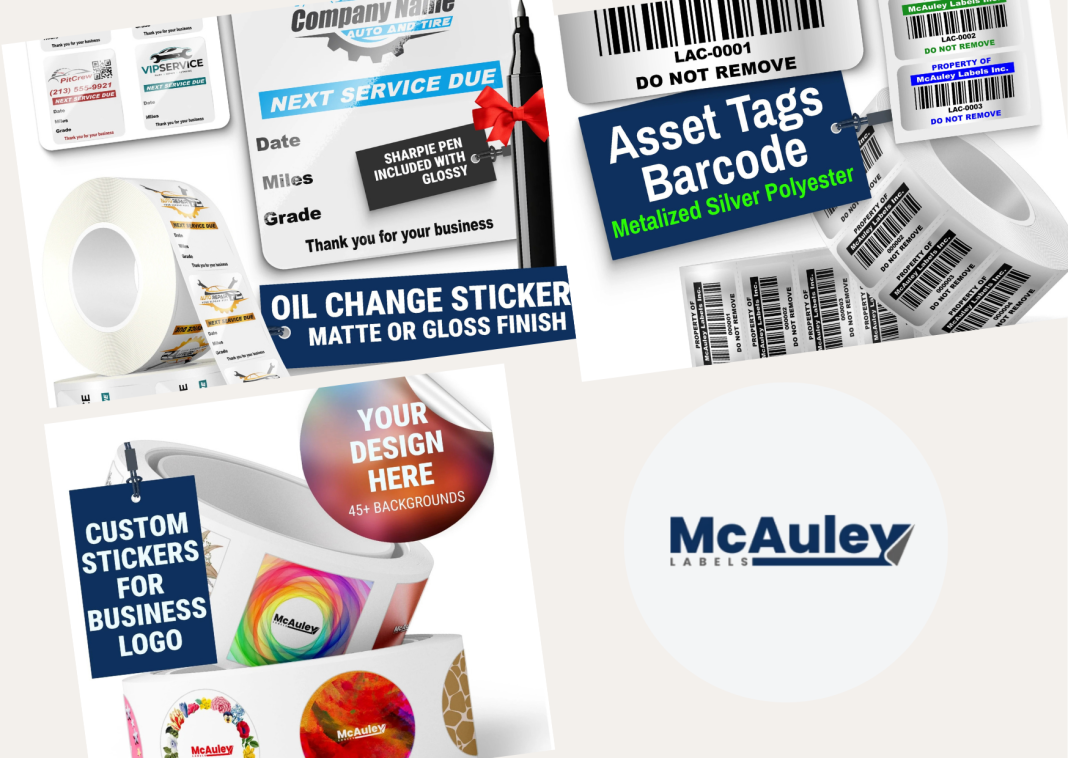
How to match the printer to your labeling goals
For plant collections, the label must remain readable through watering, humidity, and light exposure, while still looking clean on the bench or shelf. For larger nurseries, plant label printer durability and speed matter because labels often get printed in batches during busy shifts. If you want consistent results, choose a printer system designed specifically for plant and horticultural labeling rather than a generic office setup.
Next, define the label type you plan to use before buying. Many growers use waterproof or water-resistant label stock so ink and adhesive don’t smear when plants are misted or handled. Others prefer media that sticks well to pots, propagation trays, and greenhouse benches, even when temperatures fluctuate. A smart recommendation is to shortlist printer models that support the label materials you already rely on, or that offer reliable, compatible consumables for plant environments.
Print quality, readability, and placement recommendations
When you’re labeling plants, readability is more important than fancy fonts. Look for print resolution and ink or transfer technology that keeps text crisp at the smallest label sizes you plan to use. For example, species names, cultivar codes, and spacing for asset tag label printer dates or growth notes should remain legible from an arm’s length distance in a busy garden center. If you use barcodes or small alphanumeric codes for tracking, confirm the printer can reproduce them with minimal blur.
Placement affects performance, so think about how labels will sit on pots, tags, and markers. Curved surfaces and slick plastic containers can reduce adhesion, so adhesive type and label thickness become key decision factors. A practical expert approach is to print a small test set using your intended label stock, then check for edge lifting after watering and handling. That simple verification prevents wasted batches and helps standardize how your labels look across different plant varieties and pot formats.
Asset tracking meets horticulture: when to use durable codes
Many operations extend beyond plant identification into inventory control, sales readiness, and internal tracking. If your business needs unique identifiers for individual batches or lots, prioritize printers that handle consistent numbering and repeatable formatting. This reduces mislabeling risk and improves traceability across orders, customers, and seasons of production.
To get the most value from coded labels, standardize your label layout. Use a predictable hierarchy such as variety name first, then cultivar, then internal batch or lot number, and finally any scanning-friendly code elements. Keep critical text larger than secondary fields so it remains visible even when labels are partially obscured by leaves or pot placement. For accuracy, consider printing templates that reduce manual edits and enforce the same formatting on every batch.
Conclusion
Start by confirming durability for greenhouse and nursery handling, then verify readability with your exact text lengths and code elements. If you also need inventory traceability, selecting a printer workflow that supports structured identifiers can streamline operations and reduce errors. For professional-grade labeling solutions designed for growers and garden centers, mcauleylabels.com offers practical options to help keep plant presentation organized and unmistakably clear. Before committing to a larger purchase, run a small pilot using the label stock you plan to use long-term. Test adhesion after watering, confirm ink or print stability, and check that barcodes or structured IDs scan reliably. This expert-recommendation approach protects your labeling consistency and supports smoother customer experiences in retail and wholesale settings. With the right selection, your labels become a dependable part of how plants are organized, sold, and documented across your business.