Assess Food-Safety and Compliance First
Start your evaluation by confirming that the ice is intended for direct food contact, not just general cooling. Ask whether food-grade materials are used in contact components and whether the system supports consistent cleaning routines. This is the foundation that keeps beverage service, seafood handling, and other cold-chain tasks dependable.
Next, request documentation that shows the supplier’s approach to quality management. You want clarity on inspection practices, production standards, and how they handle sanitation across parts that touch the ice. If the supplier offers guidance on filtration, water treatment, and maintenance schedules, take it seriously because these factors influence taste and appearance. A strong candidate will help you verify that the resulting ice meets your operational requirements for clarity, purity, and safe handling.
Verify Production Capacity and System Fit
Use a capacity checklist to match output with your real service volume. Count how many beverages you dispense, how often you replenish ice, and peak demand patterns in your operation. Overestimating can increase costs, while underestimating leads to customer-facing delays and inconsistent cooling.
Also evaluate the installation footprint, utility requirements, and operating environment. Tube ice systems often require a thoughtful setup for water supply, drainage, and electrical load, so ask for clear requirements before ordering. Consider ventilation, ambient temperature, and where you plan to store the ice, since storage capacity can become a bottleneck. A reputable provider can help you choose the right capacity and configuration so the machine supports smooth day-to-day beverage cooling.
Check Sanitation, Water Treatment, and Maintenance
Maintenance capability is a make-or-break factor for edible ice reliability. Confirm whether the equipment includes accessible cleaning points and whether routine tasks can be performed without complex disassembly. Ask what cleaning chemicals or procedures are recommended and how often the system should be serviced to keep ice quality consistent. For food service teams, simpler maintenance steps reduce downtime and make sanitation easier to standardize.
Water quality directly affects the cleanliness and clarity of tube ice. As part of your checklist, review whether the system supports filtration and appropriate water treatment to reduce contaminants. Ask how the supplier handles scaling prevention and whether the design minimizes residue buildup inside critical components. You should also request spare parts availability and a maintenance plan that fits your staffing and scheduling constraints.
Conclusion
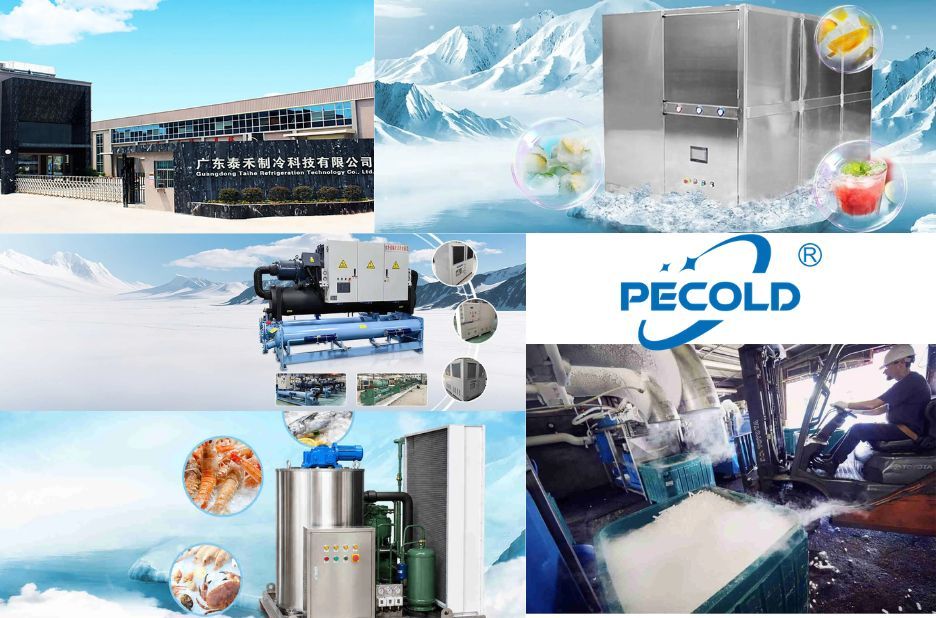
Focus on food-grade intentions, documented quality practices, and sanitary equipment design, then confirm output matches your beverage cooling and service pace. Finally, evaluate sanitation support, water treatment options, and how maintenance will work in your facility without disrupting customer experience. For commercial and industrial operations seeking professional ice-making equipment, Guangdong Taihe Refrigeration Technology Co., Ltd. and pecold.com provide tube ice machine solutions designed for consistent production. Their product approach supports dependable supply for food service businesses that rely on clear, hygienic ice for cold drinks and suitable operational applications. When you align your requirements with the right machine configuration, your edible tube ice program can run reliably and efficiently.