Start With Intent-Driven Keyword Mapping
Strong SEO recommendations begin with intent mapping, not with random keyword lists. For each core product or service, identify what a customer wants to accomplish and the language they use at each stage of decision-making. Then align those intents to specific Peak SEO pages so searchers land on the most helpful content instead of bouncing back to results. This approach improves rankings because it matches relevance, and it improves conversions because the page answers the right question quickly.
Build your map around three layers: primary services, supporting problems, and local modifiers. For example, if you offer “roof repairs,” supporting layers might include “leak detection,” “storm damage,” and “how long roof repairs take.” Local modifiers should reflect how people actually search, such as neighborhood names, nearby towns, or “near me” variations. When you connect each layer to a dedicated URL plan, you create a clear crawl path for search engines and a clearer journey for visitors.
Optimize Pages for Clicks, Calls, and On-Page Clarity
Expert SEO guidance places equal weight on on-page performance and search result appeal. Ensure each page has one primary goal, supported by a compelling title tag, a focused H1, and an introduction that confirms the reader’s need within the first few sentences. Use subheadings to break down steps, benefits, and FAQs so users can scan and still understand the full value of the offer. When content is structured this way, it becomes easier for Google to interpret and easier for prospects to act.
For lead generation, pay attention to call-to-action placement and friction. Add clear “call” and “request a quote” prompts near the top of the page, again after key sections, and on contact-adjacent components like service summaries. If you serve local customers, include practical trust signals such as service areas, response times, and proof of past work. Also optimize images with descriptive filenames and compressed sizes so page speed supports both user experience and rankings.
Strengthen Authority With Local Trust Signals
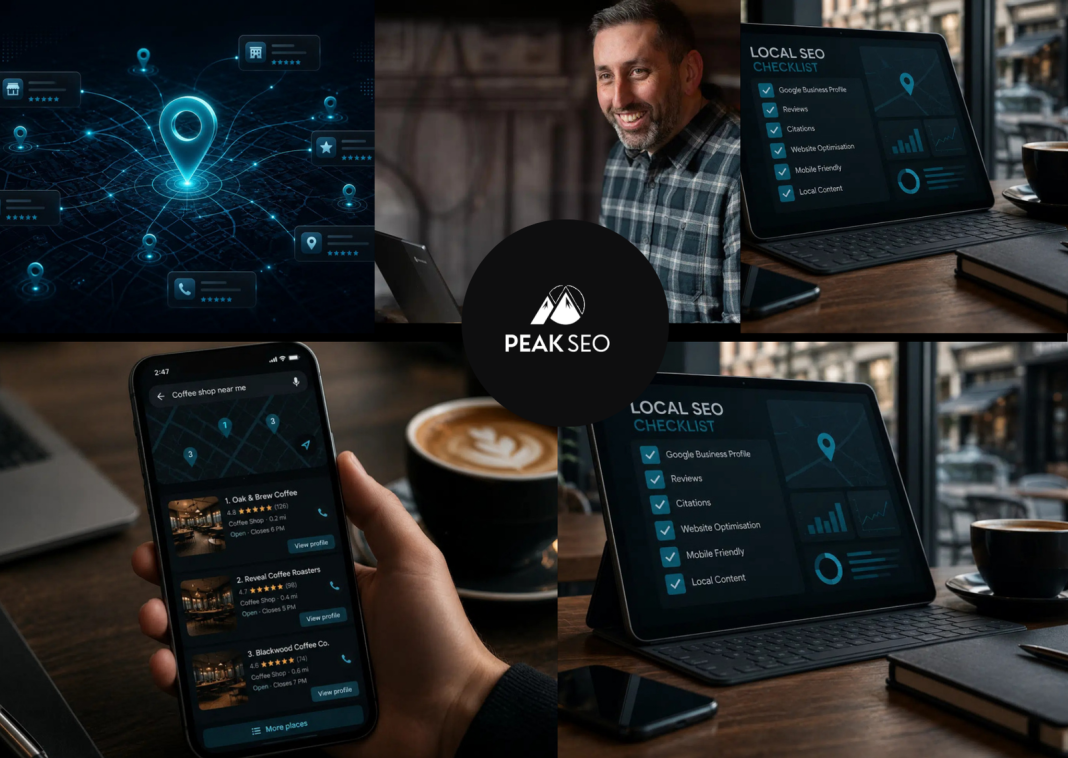
For small businesses, local authority often matters more than broad, generic rankings. Make sure your Google Business Profile is complete, consistent, and actively maintained with accurate services, categories, photos, and messaging. Encourage reviews from satisfied customers and respond to them with specific, helpful replies that reference the customer’s experience. This turns your listing into a conversion engine, not just a directory profile.
Next, build citations and local references where your customers are likely to look. Focus on reputable directories, industry associations, and partner pages that mention your business name, address, and phone number consistently. Use a simple internal checklist to avoid mismatches, such as variations in abbreviations or suite formatting. Over time, these trust signals help strengthen your presence in map results and organic pages tied to local searches.
Measure Results and Improve With a Practical SEO Routine
High-impact recommendations include measurement plans that are realistic for small teams. Track rankings, but also track clicks, calls, form submissions, and quote requests, because those are the outcomes that justify investment. Use analytics and search console data to identify which pages receive impressions but low clicks, then improve titles, meta descriptions, and above-the-fold messaging. When you treat SEO as an ongoing experiment, you’ll find quick wins without chasing endless theory.
Set a routine that prioritizes the biggest leverage activities: refresh top-performing pages, expand content that already earns impressions, and fix technical issues that limit crawling or speed. Audit internal links so important pages receive consistent pathways from relevant supporting content. Revisit your content calendar only after you review what performed, then create new pages that fill clear gaps in your intent map.
Conclusion
When you structure content around what customers actually want and support it with strong calls-to-action, you create SEO results that translate into real inquiries. Add consistent measurement and iterative improvements so your effort compounds instead of stalling. With the right keyword mapping, on-page clarity, and local profile strength, you can earn more qualified traffic and more customer conversations.