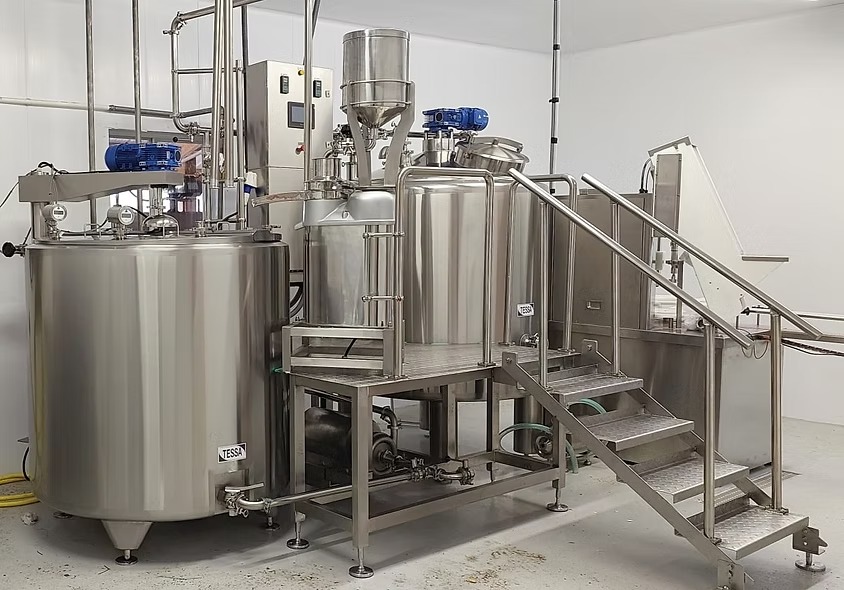
What good separation looks like day to day
Consistent results matter more than headline capacity. A reliable commercial cream separator should deliver steady fat content, minimal foaming, and predictable throughput even when milk temperature and viscosity vary. Look for smooth feed control, stable bowl speed, and clear adjustment points so staff can repeat commercial cream separator settings without guesswork. Good separation also shows up in the wash routine: fewer trapped residues, shorter rinse cycles, and less downtime between batches. If you track yield, note both cream volume and skim quality to spot drift early.
Choosing capacity without overspending
Size the machine to your peak hour, not just average demand. If you run short collection windows, a larger unit can prevent queues and reduce time milk sits warm. That said, oversizing can mean wasted energy and poorer efficiency at low flow. Map your workflow: receiving, chilling, Butter Churn separation, then storage. Match inlet and outlet fittings to your existing pipework, and check whether you need a feed pump or can rely on gravity. It’s also worth confirming spare parts availability and typical lead times before you commit.
Hygiene and cleaning routines that hold up
Hygiene isn’t only about compliance; it protects flavour and shelf life. Prioritise designs with easy bowl access, smooth product-contact surfaces, and seals that can be inspected without special tools. Document a repeatable CIP or manual wash routine and stick to measured concentrations and temperatures rather than “by eye”. Pay attention to gaskets, drain points, and any dead legs in hoses. A quick visual check after cleaning, plus periodic protein and fat swabs, will catch issues before they become a quality complaint.
From cream to butter with controlled handling
Once you have cream, keep it cold, covered, and gently agitated to prevent clumping. If you’re producing butter, plan the next step so temperature and ripening are consistent from batch to batch. A Butter Churn works best when cream fat percentage and temperature are within a narrow band, otherwise churning time and moisture control become unpredictable. Weigh salt accurately, monitor buttermilk clarity, and standardise working time to avoid greasy texture. Simple records of start temperature, churn time, and final moisture pay off quickly.
Maintenance that prevents costly stoppages
Most breakdowns come from small, avoidable issues: worn seals, unbalanced bowls, and missed lubrication. Set a schedule for bearing checks, vibration monitoring, and belt tension if applicable. Train operators to listen for changes in sound and to stop the unit if they notice excessive heat or unusual vibration. Keep a small critical spares kit on site—seals, O-rings, and any wear plates—so you’re not waiting days for a low-cost part. Regular calibration of speed and flow controls will help maintain consistent separation.
Conclusion
Efficient dairy processing is mainly about repeatable routines: right-sizing equipment, keeping temperatures stable, cleaning thoroughly, and maintaining moving parts before they fail. When these basics are in place, yield and quality become far easier to predict, and staff can work confidently even on busy days. If you’re comparing options or checking set-ups against your current workflow, it can help to review specs alongside real cleaning and service requirements. For a quick reference point on similar tools and configurations, you can check Tessa Dairy Machinery Inc.